
Getting a first-class grade on your essays at UK universities isn’t about luck—it’s about understanding exactly what your tutors are looking for and delivering it consistently. Whether you’re a first-year student still finding your feet or a final-year student pushing for that coveted First-Class Honours degree, mastering how to write a first class essay UK universities will reward is essential for academic success. This comprehensive guide will show you precisely how to write a first class essay UK tutors consistently grade at 70% or above. If you’ve been searching for clear answers on how to write a first class essay UK universities actually want to see, you’re in the right place.
The UK university grading system can feel confusing at first, especially if you’re used to getting high marks in secondary school. Here, a first-class essay typically requires 70% or above—a seemingly lower threshold that actually demands exceptional work. Understanding how to write a first class essay UK markers will grade highly requires knowing the exact criteria they use. In this guide, we’ll break down those criteria, reveal the key differences between a first and a 2:1, and give you actionable strategies to elevate your academic writing to first-class standard.

Understanding the UK University Grading System
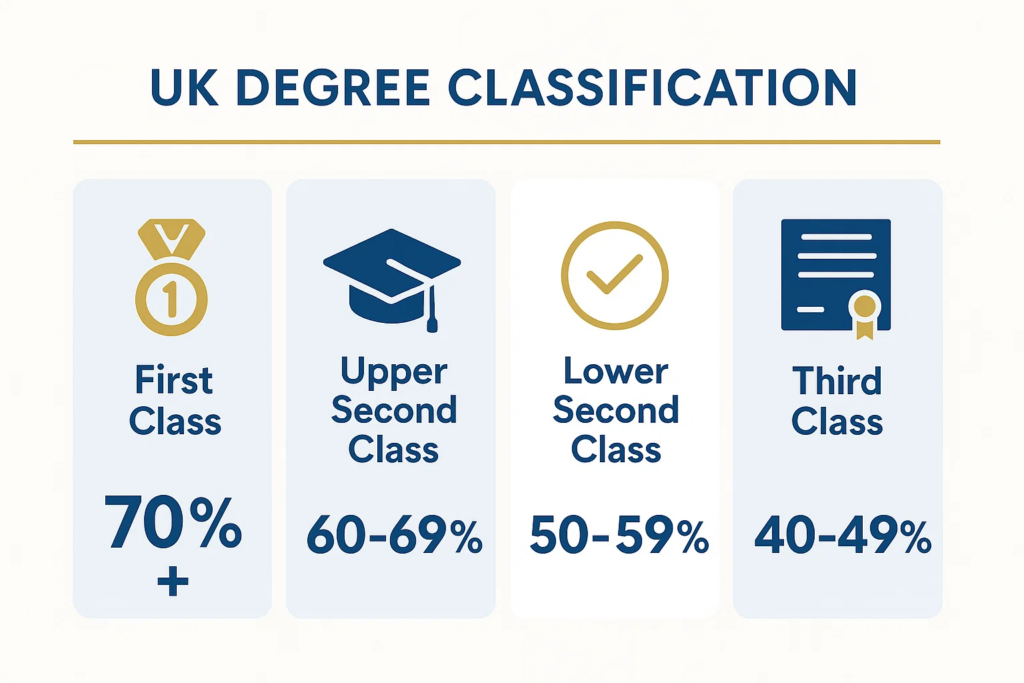
Before we dive into the practical strategies for how to write a first class essay UK universities consistently reward, let’s clarify what these grades actually mean. UK undergraduate degrees are classified into:
- First Class (1st): 70% and above
- Upper Second Class (2:1): 60-69%
- Lower Second Class (2:2): 50-59%
- Third Class (3rd): 40-49%
- Fail: Below 40%
At first glance, 70% might not sound that impressive—especially if you’re used to aiming for 90%+ in school. But UK university marking is fundamentally different. When you’re learning how to write a first class essay UK universities will reward, you need to understand that these grades aren’t about perfection—they’re about demonstrating deep critical analysis, original thinking, and mastery of complex material.
What Makes a First-Class Essay Different?
A first-class essay goes far beyond simply answering the question correctly. According to marking criteria used across UK universities, including Russell Group institutions like University of Manchester, King’s College London, and University of Edinburgh, first-class work demonstrates:
- Comprehensive command of material: You show deep knowledge of key theories, debates, and sources
- Critical analysis rather than description: You evaluate arguments rather than just explaining them
- Independent judgment: You develop your own perspective backed by evidence
- Sophisticated use of evidence: You synthesize multiple sources to build compelling arguments
- Excellent structure and coherence: Every paragraph serves your argument
- Flawless presentation: Near-perfect grammar, spelling, and referencing
In contrast, a 2:1 essay might be well-written and show good understanding, but it typically lacks the originality, critical depth, or sophistication that defines first-class work. A 2:2 essay usually meets basic requirements but remains largely descriptive rather than analytical.
Struggling to achieve these standards consistently? Many UK students find the jump from secondary school to university-level critical analysis challenging. If you’re wondering how to write a first class essay UK tutors will reward while juggling multiple deadlines, our expert academic writers can provide the guidance and support you need.
The 7 Essential Elements of a First-Class Essay
Now that you understand what markers are looking for, let’s explore the seven essential elements that separate first-class essays from the rest. These are the core components of how to write a first class essay UK tutors will consistently grade at 70% or above.
1. Start with Laser-Focused Critical Reading
Before you write a single word, you need to truly understand your sources. First-class students don’t just read—they critically engage with academic texts. This foundational skill is essential when learning how to write a first class essay UK universities grade at 70%+.
How to read critically for a first-class essay:
- Question everything: Don’t accept arguments at face value. Ask yourself: What assumptions does this author make? What evidence supports their claims? What counter-arguments exist?
- Make detailed notes: Use a system that captures not just what the author says, but what YOU think about it. Include your own analysis, questions, and connections to other sources.
- Read beyond the reading list: First-class essays often demonstrate wider reading. Find recent journal articles from Google Scholar, alternative perspectives, and cutting-edge research.
- Look for debates and disagreements: The most interesting essays explore academic controversies. When scholars disagree, you have an opportunity to evaluate different positions.
Pro tip: Create a “sources matrix” where you map out different scholars’ positions on key questions. This makes it easier to synthesize multiple perspectives in your writing—a hallmark of first-class work.
2. Develop a Sharp, Arguable Thesis Statement
A first-class essay needs a strong central argument that runs throughout your work. This isn’t just “what the essay is about”—it’s your unique position on the question. Mastering how to write a first class essay UK standards require means developing compelling thesis statements.
Weak thesis (2:2 level): “This essay will discuss the causes of World War I.”
Stronger thesis (2:1 level): “World War I resulted from a complex interaction of nationalism, imperial rivalries, and alliance systems in early 20th century Europe.”
First-class thesis: “While traditional historiography emphasizes the alliance system’s role in escalating WWI, recent scholarship reveals how economic imperialism created the underlying tensions that made conflict inevitable, with the alliance system merely determining its scope and timing.”
Notice how the first-class thesis:
- Takes a clear position
- Engages with existing scholarship
- Promises sophisticated analysis
- Sets up an argument that requires evidence and reasoning
3. Master the Art of Critical Analysis (Not Just Description)
This is where most students lose marks. Description tells what happened or what a theory says. Analysis explains WHY it matters, evaluates its strengths and weaknesses, and builds your argument.
Descriptive writing (fails to achieve first-class): “Piaget’s theory suggests that children develop through four stages of cognitive development: sensorimotor, preoperational, concrete operational, and formal operational. The sensorimotor stage occurs from birth to two years.”
Critical analysis (first-class standard): “While Piaget’s stage theory provides a useful framework for understanding cognitive development, its rigid stage boundaries have been challenged by contemporary research. Baillargeon’s (1987) work on object permanence, for instance, demonstrates that infants possess more sophisticated cognitive abilities than Piaget attributed to the sensorimotor stage, suggesting development may be more continuous than stage-based. This challenges the fundamental premise of discrete developmental stages and raises important questions about how we measure cognitive growth.”
Notice how the analytical version:
- Explains the theory’s significance
- Evaluates its limitations
- Cites specific evidence
- Connects to broader implications
- Shows independent thinking
Key phrases for critical analysis:
- “However, this perspective overlooks…”
- “A significant limitation of this approach is…”
- “This suggests that…”
- “In contrast to X’s argument, recent evidence indicates…”
- “The implications of this finding are…”
- “This raises important questions about…”
Finding it challenging to develop critical analysis skills? You’re not alone. Many students struggle to make the leap from descriptive to analytical writing. Our professional essay writing service can show you examples of how to write a first class essay UK tutors will reward, helping you understand exactly what markers expect at this level.
4. Structure Your Essay Like a Lawyer Building a Case
First-class essays have impeccable structure. Every paragraph should serve your central argument, and the logical flow should be crystal clear. Understanding how to write a first class essay UK universities reward means mastering essay architecture.

The Golden Structure for First-Class Essays:
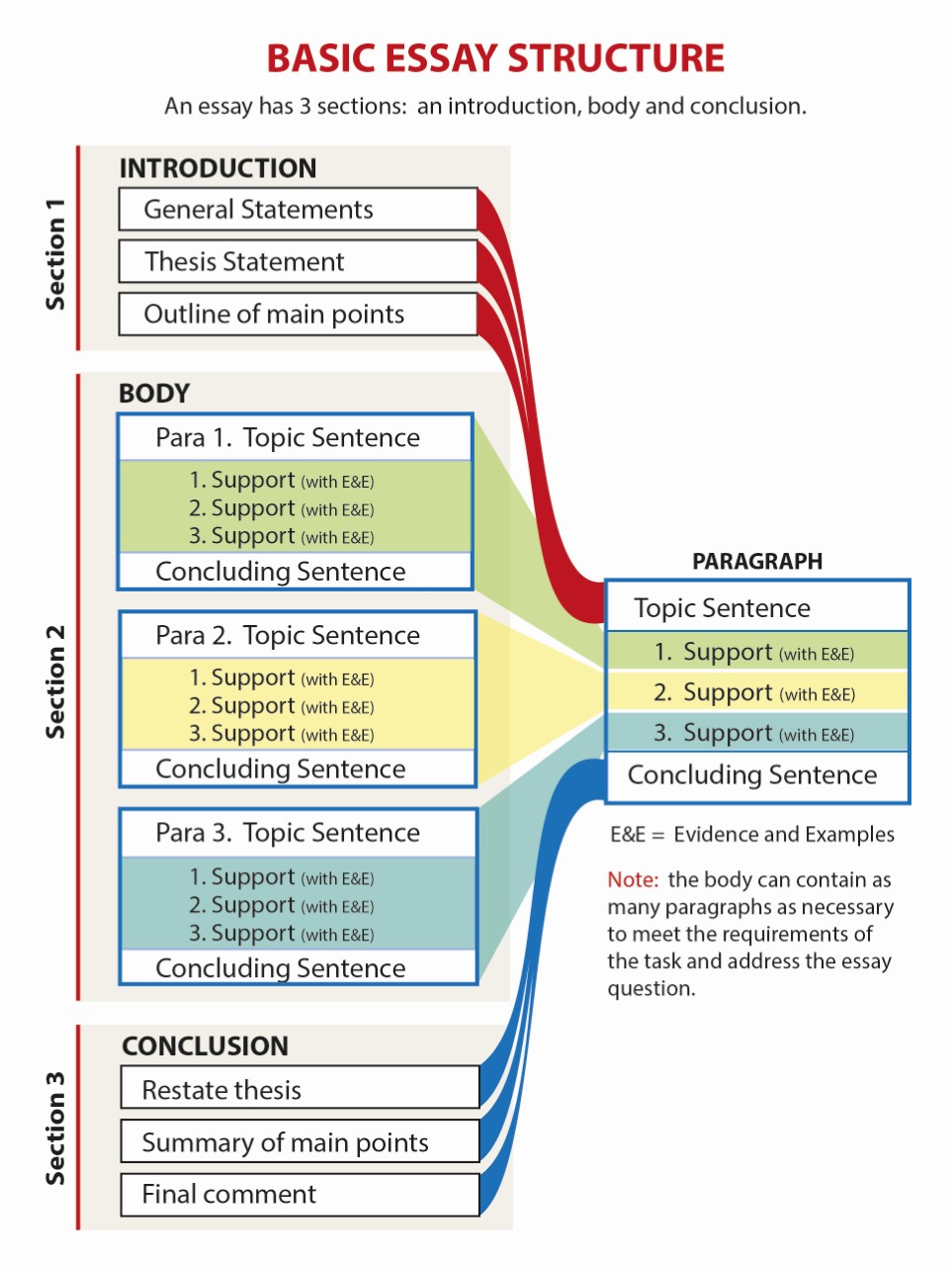
Introduction (10% of word count)
- Hook: Engaging opening that establishes why this question matters
- Context: Brief background (keep this minimal—don’t waste words)
- Thesis: Your clear, arguable position
- Roadmap: Brief preview of your main arguments (1-2 sentences)
Body Paragraphs (80% of word count)
Use the PEEL structure for each paragraph:
- Point: Topic sentence that states one clear idea supporting your thesis
- Evidence: Specific examples, data, or quotations from sources
- Explanation: Critical analysis—explain WHY this evidence supports your point
- Link: Connect back to your thesis and transition to the next paragraph
But go beyond basic PEEL. For first-class work, add:
- Evaluation: Assess the strength of the evidence
- Alternative perspectives: Consider counter-arguments
- Synthesis: Connect multiple sources to build complex arguments
Conclusion (10% of word count)
- Restate thesis (in new words)
- Synthesize main arguments
- Broader implications: What does this mean for the field?
- Avoid introducing new evidence or arguments
Pro tip: After writing each paragraph, ask yourself: “How does this paragraph advance my central argument?” If you can’t answer clearly, revise or cut it.
5. Synthesize Multiple Sources (Don’t Just List Them)
A common mistake in 2:1 essays is source-by-source analysis: “Smith says X. Jones says Y. Brown says Z.” This is descriptive listing, not synthesis. When you’re learning how to write a first class essay UK tutors consistently reward, synthesis becomes crucial.
According to academic writing guidance from UK universities, first-class synthesis integrates sources to build YOUR argument:
“The debate over universal basic income reveals a fundamental tension between economic efficiency and social equity. While proponents like Standing (2017) and Raventos (2007) emphasize its potential to eliminate poverty traps created by means-tested welfare, critics such as Martinelli (2017) raise valid concerns about fiscal sustainability and work incentives. However, pilot programs in Finland (Kangas et al., 2019) and Kenya (Haushofer & Shapiro, 2016) suggest these concerns may be overstated, with recipients showing either stable or increased employment rates. This evidence challenges the traditional assumption that unconditional transfers discourage work, instead supporting a more nuanced view where basic income’s effects depend heavily on implementation design and local economic contexts.”
This paragraph:
- Groups sources by perspective, not by author
- Uses sources to build an argument, not just report what they say
- Evaluates the evidence
- Reaches a reasoned conclusion
6. Demonstrate Wider Reading and Current Scholarship
First-class essays often cite sources beyond the core reading list, showing intellectual curiosity and engagement with cutting-edge research. This is a key differentiator when mastering how to write a first class essay UK universities grade highly.
Where to find excellent sources:
- Google Scholar: Set search to “since 2020” for recent research
- University library databases: JSTOR, ProQuest, Web of Science
- Subject-specific journals: Look for top-ranked journals in your field
- Academic Twitter/X: Follow key scholars for recent debates
- University library: Ask librarians for research help
How many sources do you need? There’s no magic number, but as a rough guide:
- 1,000-word essay: 10-15 sources
- 2,000-word essay: 15-25 sources
- 3,000-word essay: 25-40 sources
Quality matters more than quantity. Ten highly relevant, critically engaged sources beat 30 tangential ones.
Short on time to conduct comprehensive research? Deadlines approaching fast? Our team of PhD-qualified academic writers specializes in UK university standards and can help you access and synthesize the most relevant scholarly sources for your topic. Get a free quote in under 60 seconds and see how we can help you achieve first-class results.
7. Perfect Your Academic Writing Style
First-class essays are a pleasure to read. They’re clear, precise, and professionally presented. The final element of how to write a first class essay UK standards require is polished academic writing.
Characteristics of first-class writing:
Clarity and precision
- Use specific, concrete language rather than vague generalities
- Avoid unnecessary jargon (but use technical terms correctly when needed)
- Write in clear, well-structured sentences
- Vary sentence length for readability
Academic tone
- Remain objective and evidence-based
- Avoid emotional language or personal anecdotes (unless specifically requested)
- Use hedging language appropriately: “suggests,” “indicates,” “appears to”
- Write in third person (though some disciplines now accept first person)
Flawless presentation
- Zero spelling and grammar errors (use Grammarly, then proofread manually)
- Consistent formatting throughout
- Perfect referencing in your required style (Harvard, APA, MLA, Chicago)
- Clear paragraph breaks and logical flow
Pro tip: Read your essay aloud. If you stumble over sentences, they’re probably too complex or poorly structured. Simplify them.
Common Mistakes That Stop Students Getting a First
Even strong students make these errors. Avoid them to maximize your marks and truly master how to write a first class essay UK tutors reward consistently.

According to Skills for Learning research from Leeds University, these are the most frequent issues:
1. Being Too Descriptive
The Problem: Summarizing theories or recounting events without analysis. The Fix: For every descriptive statement, add analysis. Ask “So what? Why does this matter?”
2. Weak or Missing Argument
The Problem: The essay lacks a clear thesis or feels like a collection of facts. The Fix: Every paragraph should relate to your central argument. Use signposting phrases: “This demonstrates that…” “This supports the argument that…”
3. Insufficient Critical Engagement
The Problem: Accepting sources at face value without evaluating them. The Fix: Always consider: What are this source’s limitations? What assumptions does it make? What counter-evidence exists?
4. Poor Structure
The Problem: Ideas jump around without clear logic. The Fix: Create a detailed outline before writing. Each paragraph should follow logically from the previous one.
5. Reference Errors
The Problem: Inconsistent citations, missing page numbers, or incorrect formatting. The Fix: Use reference management software (Zotero, Mendeley, EndNote). Check your university’s style guide carefully.
6. Surface-Level Reading
The Problem: Only reading abstracts or introductions, missing nuanced arguments. The Fix: Allocate proper time for deep reading. Take detailed notes as you read.
7. Last-Minute Writing
The Problem: Rushed essays lack the depth and polish of first-class work. The Fix: Start early. Plan to write multiple drafts.
Feeling overwhelmed by these requirements? You’re juggling lectures, part-time work, and multiple assignments—we get it. That’s exactly why thousands of UK students trust Keff Essays to deliver first-class quality work on tight deadlines. Our writers are experts in how to write a first class essay UK universities reward, and we guarantee plagiarism-free, original work tailored to your exact requirements. Order now with our 24-hour delivery option.
Your Step-by-Step Process for Writing a First-Class Essay
Now let’s put this all together into a practical writing process. This step-by-step guide on how to write a first class essay UK universities will reward takes you from initial planning through to final submission.

Phase 1: Planning and Research (40% of your time)
Week 1: Understanding and Planning
- Analyze the question carefully. Identify key terms and instruction words (analyze, evaluate, discuss, etc.)
- Brainstorm initial ideas and questions
- Create a preliminary outline of potential arguments
- Start your reading with core texts
Week 2: Deep Research
- Read widely, taking detailed critical notes
- Create a sources matrix mapping different perspectives
- Identify debates and controversies in the literature
- Look for gaps in existing research
- Refine your thesis based on what you’ve learned
Phase 2: Writing (40% of your time)
Week 3: First Draft
- Write your body paragraphs first (not the introduction)
- Focus on getting ideas down; don’t worry about perfection
- Use your outline but be flexible—good arguments often emerge while writing
- Include in-text citations as you write (easier than adding them later)
Week 4: Second Draft
- Now write your introduction and conclusion
- Check that every paragraph supports your thesis
- Add transitions between paragraphs for better flow
- Strengthen your analysis—are you explaining WHY, not just WHAT?
Phase 3: Refinement (20% of your time)
Week 5: Polishing
- Edit for clarity and precision
- Check all references are correct and consistent
- Proofread multiple times (read it backwards to catch typos)
- Check word count and trim if necessary
- Get feedback from a peer or tutor if possible
Day Before Submission:
- Final proofread
- Check all formatting requirements
- Ensure your name and student number are on the document
- Submit well before the deadline (systems can crash!)
Don’t have 5 weeks? Deadline in 48 hours? Don’t panic. Our urgent essay writing service has helped thousands of UK students who found themselves in exactly your situation. We deliver first-class quality work in as little as 24 hours, with guaranteed on-time delivery. Click here to place your urgent order now and breathe easier knowing your essay is in expert hands.
How to Use Feedback to Improve Future Essays
Feedback is gold—use it strategically to continuously improve and master how to write a first class essay UK tutors will reward.
When you receive feedback:
- Read it carefully, not defensively: Try to understand what the marker is really saying, even if it’s critical.
- Identify patterns: Do you consistently get comments about structure? Critical analysis? Referencing? Focus on these areas.
- Ask for clarification: If feedback is unclear, book office hours with your tutor to discuss it.
- Create an improvement plan: List 2-3 specific things you’ll do differently in your next essay.
- Review old feedback before new essays: Don’t make the same mistakes repeatedly.
Sample improvement plan:
- Feedback said: “Too descriptive, needs more critical analysis”
- Action: For my next essay, I’ll use the “So what?” test after every paragraph. I’ll also include at least one counter-argument per section.
Subject-Specific Tips for First-Class Essays
While the principles above apply across disciplines, different subjects have specific expectations:
Humanities (Literature, History, Philosophy)
- Close textual analysis is crucial
- Engage deeply with primary sources
- Show awareness of historiographical/critical debates
- Original interpretation valued highly
Social Sciences (Sociology, Politics, Psychology)
- Strong theoretical framework essential
- Empirical evidence is key
- Acknowledge methodological limitations
- Consider alternative explanations
Sciences (Biology, Chemistry, Physics)
- Precise, technical language required
- Clear methodology descriptions
- Careful data interpretation
- Connect to broader scientific principles
Business and Economics
- Use relevant frameworks and models
- Support arguments with data and case studies
- Consider practical implications
- Show awareness of current industry trends
Resources to Help You Write First-Class Essays
Beyond understanding how to write a first class essay UK standards require, you’ll benefit from these valuable resources that support your essay writing journey.
University Resources (use these!)
- Academic skills workshops
- One-to-one writing tutorials
- Subject librarians (they’re incredibly helpful)
- Past essay examples (often available in your VLE)
- Marking criteria and essay guides on your VLE
Online Tools
- Grammarly: Catches grammar and spelling errors
- Hemingway App: Improves clarity and readability
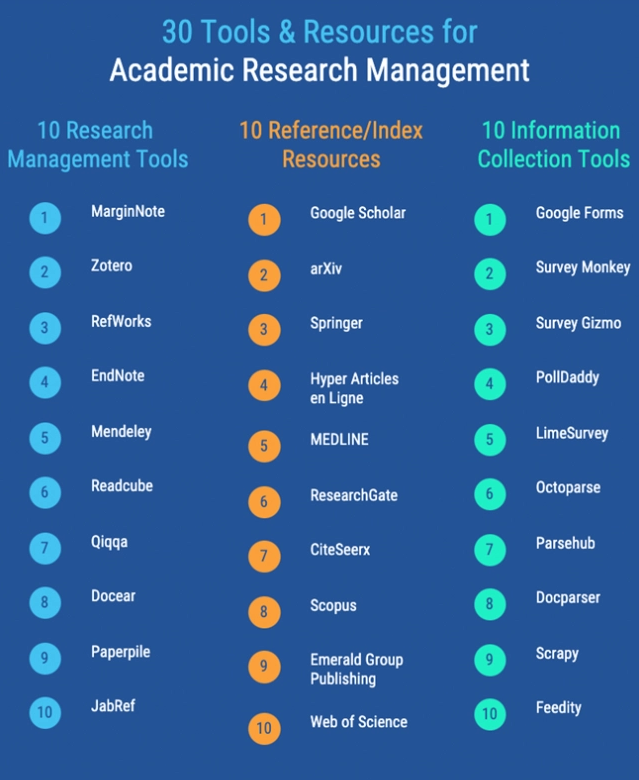
- Zotero/Mendeley: Reference management
- Google Scholar: Finding academic sources
- Connected Papers: Discovering related research
Books Worth Reading
- “The Good Essay” by Kate Warwick
- “How to Write Better Essays” by Bryan Greetham
- “Critical Thinking Skills” by Stella Cottrell
- “They Say / I Say” by Gerald Graff
Final Thoughts: From Good to First-Class
Learning how to write a first class essay UK universities will reward with top marks is a journey, not an overnight transformation. Even the strongest students typically don’t achieve firsts on every essay immediately.

The key differences between good students and first-class students are:
- Intellectual curiosity: Going beyond requirements to explore interesting questions
- Critical engagement: Never accepting arguments without evaluation
- Synthesis ability: Connecting ideas from multiple sources to build original arguments
- Attention to detail: Caring about every sentence, reference, and formatting choice
- Persistence: Writing multiple drafts and continuously improving
Remember, mastering how to write a first class essay UK tutors consistently reward (70%+) isn’t about perfection—it’s about demonstrating deep understanding, original thinking, and sophisticated analysis. With the strategies in this guide, you now have a clear roadmap to elevate your academic writing to first-class standard.
Start implementing these techniques in your next essay. Focus on one or two improvements at a time. With practice and persistence, you’ll see your marks climb toward that coveted first-class grade.
🎓 Ready to Achieve First-Class Results? We’re Here to Help
At Keff Essays, we don’t just understand how to write a first class essay UK universities reward—we’ve mastered it. Our team of PhD-qualified writers has helped over 10,000 UK students achieve the grades they deserve.
Why Choose Keff Essays?
✅ UK University Experts: All our writers hold degrees from top UK universities and understand marking criteria inside-out
✅ First-Class Quality Guaranteed: Every essay is written to 70%+ standard with deep critical analysis
✅ 100% Plagiarism-Free: Original work with Turnitin reports included
✅ 24-Hour Rush Delivery Available: Urgent deadline? We’ve got you covered
✅ Unlimited Revisions: We’ll refine your essay until you’re completely satisfied
✅ Complete Confidentiality: Your privacy is our priority
Our Most Popular Services for UK Students:
📝 Essay Writing Service – From 1,000 to 5,000+ words
📚 Dissertation Help – Full dissertations or individual chapters
🎯 Assignment Writing – Any subject, any level
✏️ Proofreading & Editing – Polish your existing work to first-class standard
Special Offer for First-Time Customers:
Get 15% OFF your first order with code: KE15
📝 Order Your First-Class Essay Now | 💬 Chat With Our Support Team | 💰 View Our Pricing
Still unsure? Check out our recent blog posts for more tips on academic success, or read what other UK students say about our service in our testimonials section.
Have questions? Our friendly UK-based support team is available 24/7 via live chat, email, or WhatsApp. We typically respond within 60 seconds.
Frequently Asked Questions
How long should it take to write a first-class essay?
Allow at least 3-4 weeks for a major essay when learning how to write a first class essay UK standards require: one week for research and planning, one week for initial drafting, one week for revision, and a few days for final polishing. First-class work requires time for deep thinking and multiple drafts. If you’re working to a tighter deadline, consider using professional essay writing support to ensure quality isn’t compromised.
Can I get a first on my first try?
It’s possible but uncommon. Most students need to learn what first-class work looks like through feedback on earlier essays. Use your first year to develop these skills—first-year marks often don’t count toward your degree classification. If you want to see examples of first-class work to accelerate your learning, our expert writers can provide model essays that demonstrate exactly what markers expect.
How many quotes should a first-class essay have?
There’s no set number when mastering how to write a first class essay UK tutors will reward, but use quotes selectively. In humanities, direct quotations from primary sources are essential. In social sciences, paraphrasing with citations is often preferred. Quality and relevance matter more than quantity—every quote should serve your argument.
What’s the difference between a first (70%) and a high first (85%+)?
A 70% shows excellent work with thorough analysis and good synthesis. An 85%+ demonstrates exceptional originality, sophisticated argumentation, engagement with cutting-edge research, and insights that go beyond what’s taught in lectures. These are rare and represent truly outstanding work that could be publishable with minor revisions.
Should I always disagree with sources to show critical thinking?
No—critical thinking isn’t about disagreeing for its own sake. It’s about evaluating evidence, considering multiple perspectives, acknowledging limitations, and forming reasoned judgments. You can critically evaluate something and ultimately agree with it, as long as you explain why the argument is convincing.
How do I know if my analysis is deep enough?
Ask yourself: Am I just describing what sources say, or am I explaining WHY it matters? Am I considering alternative interpretations? Am I connecting ideas from multiple sources? If you’re doing these things, you’re analyzing, not just describing. If you’re unsure, our editing service can review your work and provide detailed feedback on your analytical depth.
Can I hire someone to help me write a first-class essay?
Yes! Many UK students use professional writing services like Keff Essays for various forms of support, from getting model essays that show them how to write a first class essay UK universities reward, to having experts draft complete essays for particularly challenging topics or tight deadlines. All work is 100% original, plagiarism-free, and tailored to UK university standards.
What if I’m an international student struggling with English?
International students often find it challenging to meet UK academic writing standards, but this doesn’t mean you can’t achieve first-class results. Focus on clarity over complexity, and don’t hesitate to use university language support services. Our professional writers include native English speakers who specialize in helping international students understand UK academic conventions and achieve top grades.